How to Make Tomato Sauce from Tomato Paste
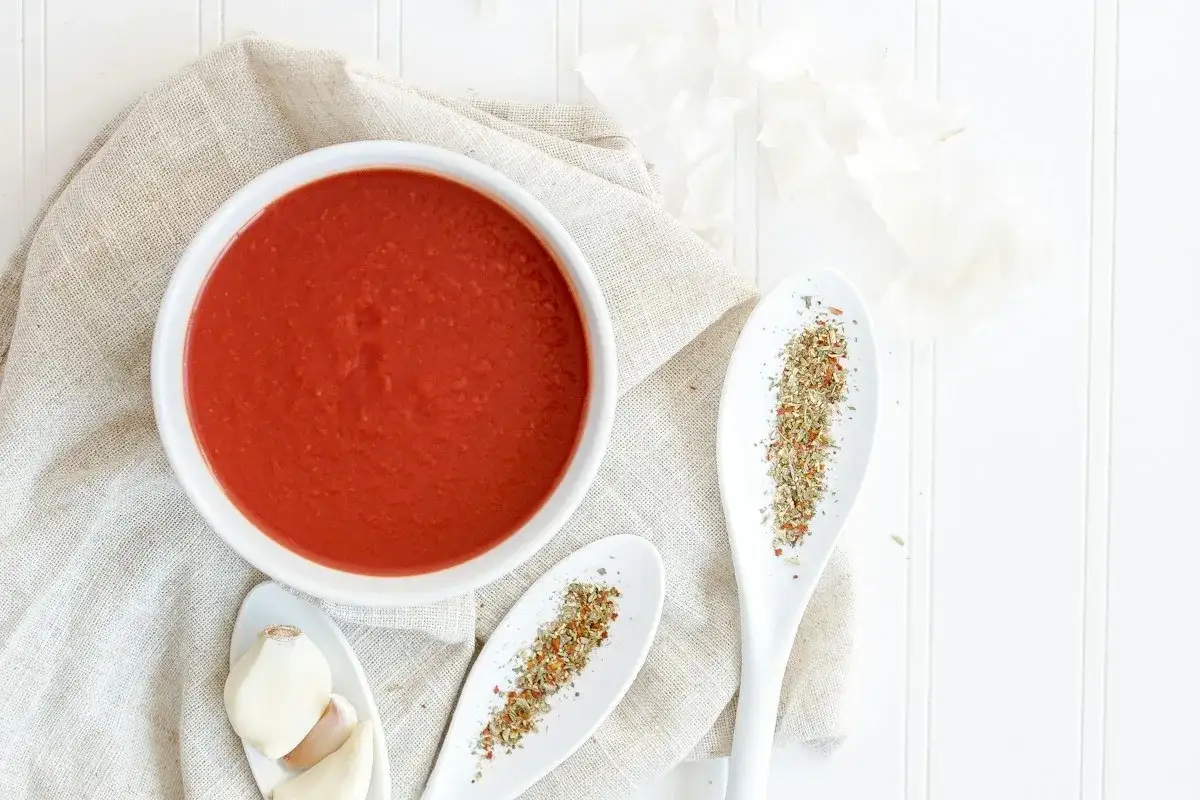
Yes, you can make tomato sauce from tomato paste. Fry one 6-ounce can of paste in olive oil with onion and garlic for 2 minutes, whisk in 2 1/2 cups of water, add a little sugar and dried herbs, and simmer for 15 minutes. You get about 3 cups of pourable pasta sauce in 30 minutes, enough for a pound of pasta, at about 160 calories per serving.
Quick answer
Soften 1/2 small onion in 2 tbsp olive oil, add 3 garlic cloves, then fry a 6 oz can of tomato paste for 2 minutes. Whisk in 2 1/2 cups water a little at a time, add 1 tsp sugar, 1 tsp oregano and 1/2 tsp basil, and simmer 15 minutes. Finish with 2 tbsp butter. Use 1 to 1 1/2 cups water for pizza sauce. Keeps 3 to 4 days in the fridge.
Tomato Sauce from Tomato Paste
Made it? Rate this recipe
Tomato Sauce from Tomato Paste Ingredients
- 2 tbsp olive oil
- 1/2 small onion, finely diced
- 3 garlic cloves, minced
- 1 can (6 oz) tomato paste
- 2 1/2 cups water
- 1 tsp granulated sugar
- 1 tsp dried oregano
- 1/2 tsp dried basil
- Salt and black pepper, to taste
- 2 tbsp unsalted butter
- Fresh basil, to garnish (optional)
How to Make Tomato Sauce from Tomato Paste
- Heat the olive oil in a medium saucepan over medium heat. Add the onion and cook until soft, about 3 minutes.
- Add the garlic and cook for 30 seconds, until fragrant.
- Add the tomato paste and cook, stirring constantly, for 2 minutes, until it turns a shade darker and smells sweet.
- Whisk in the water a splash at a time at first, until the paste loosens into a smooth, ketchup-like mixture, then whisk in the rest.
- Stir in the sugar, oregano, basil and a pinch each of salt and pepper.
- Bring to a gentle simmer and cook for 15 minutes, stirring now and then, until slightly thickened and the raw tomato taste is gone.
- Take the pan off the heat and stir in the butter until glossy. Taste and adjust the salt, pepper or sugar. Garnish with fresh basil if you like.
Nutrition Facts
Per serving (3/4 cup, 1 of 4) (estimated)
- Calories: 160
- Total fat: 13 g
- Saturated fat: 4.5 g
- Cholesterol: 15 mg
- Sodium: 25 mg
- Carbohydrates: 11 g
- Fiber: 2 g
- Sugar: 7 g
- Protein: 2 g
Estimated from USDA FoodData Central SR Legacy values for no-salt-added tomato paste (FDC 170459, 170 g per 6 oz can), olive oil, onion, garlic, sugar, dried oregano and basil, and unsalted butter. Salt and pepper added to taste and the fresh basil garnish are not included; each 1/4 tsp of salt adds about 145 mg sodium per serving.
Why Tomato Sauce from Tomato Paste Works
Tomato paste is tomatoes cooked down until most of the water is gone. Under the FDA standard of identity, a product can only be called tomato paste if it has at least 24% tomato soluble solids, while tomato puree has 8 to less than 24% (21 CFR 155.191). Whisking water back in turns the paste into a sauce with a concentrated, slow-cooked flavor.
Frying the paste is the step that matters most. Two minutes in hot oil browns its sugars, takes away the tinny edge and gives the sauce a deeper, sweeter taste. Skip it and tomato sauce from tomato paste tastes flat.
How Much Water to Add to Tomato Paste
For a pourable tomato sauce from tomato paste, use about 2 1/2 cups water per 6 oz can. Change the water for other uses:
| What you are making | Water per 6 oz can | Simmer time |
|---|---|---|
| Pizza sauce (thick, spreadable) | 1 to 1 1/2 cups | 10–12 min |
| Lasagna layers | 1 1/2 to 2 cups | 12–15 min |
| Pasta sauce (pourable) | 2 1/2 cups | 15 min |
| Soup base or braising liquid | 3 cups | 20 min |
Thicker sauces catch on the bottom of the pan faster, so lower the heat and stir more often when you use less water.
Spaghetti Sauce with Tomato Paste
To turn this tomato sauce from tomato paste into a meat sauce, brown 1/2 lb ground beef in the pan first, lift it out with a slotted spoon and make the sauce in the same pan. Return the beef for the last 5 minutes of simmering. Cook ground beef to 160°F, the safe temperature on the FoodSafety.gov chart. Crumbled beef or chicken sausage, sautéed mushrooms or a pinch of red pepper flakes are other easy add-ins.
Tomato Paste vs Ketchup vs Canned Sauce
| Per 1 tbsp | Calories | Sugar | Sodium |
|---|---|---|---|
| Tomato paste, no salt added (16 g) | 13 | 2 g | 9 mg |
| Ketchup (17 g) | 17 | 4 g | 154 mg |
| Canned tomato sauce (15 g) | 4 | 0.5 g | 71 mg |
| Raw red tomato, chopped (15 g) | 3 | 0.4 g | 1 mg |
The big difference is salt. Plain no-salt-added paste has very little, so when you make tomato sauce from tomato paste you control the sodium yourself. Check the label; some brands of paste do add salt.
Fixing Tomato Sauce from Tomato Paste Problems
- Lumpy sauce: the water went in too fast. Whisk the first half cup in a splash at a time.
- Sour or sharp taste: fry the paste a little longer next time, or add a pinch more sugar and simmer 5 minutes more.
- Too thin: simmer uncovered a few minutes longer.
- Scorched bottom: lower the heat and stir; don’t scrape the burnt layer into the sauce.
How to Store Tomato Sauce from Tomato Paste
Cool leftover sauce in a shallow container and refrigerate it within 2 hours. Use it within 3 to 4 days, the FoodSafety.gov time for cooked leftovers, or freeze it in portions for 2 to 3 months for best quality (see the FoodSafety.gov storage chart). Thaw it in the fridge and reheat on the stove with a splash of water until it bubbles.
Use it on a thin crust pizza base (with less water), over pasta, or in lasagna fritta.
Tomato Sauce from Tomato Paste FAQ
Can you make tomato sauce from tomato paste?
Yes. Fry the paste in oil, whisk in water (about 2 1/2 cups per 6 oz can) and simmer with herbs for about 15 minutes.
How much water do I mix with tomato paste for tomato sauce?
About 2 1/2 cups per 6 oz can for pasta sauce; 1 to 1 1/2 cups for pizza sauce; 3 cups for a soup base.
Can I make it without onion?
Yes. Skip the onion and give the garlic an extra 30 seconds. The sauce will be a little milder.
Can I use this as pizza sauce?
Yes. Use 1 to 1 1/2 cups water so it is thick enough to stay put under the toppings.
How long does homemade tomato sauce last?
3 to 4 days in the fridge, or 2 to 3 months in the freezer for best quality.
Sources
- eCFR: 21 CFR 155.191 Tomato concentrates
- FoodSafety.gov: Cold food storage chart
- FoodSafety.gov: Safe minimum internal temperatures
- USDA FoodData Central
Featured photo: Unsplash