Easy Toddler Lunch Ideas (Simple, Balanced & Fuss-Free)
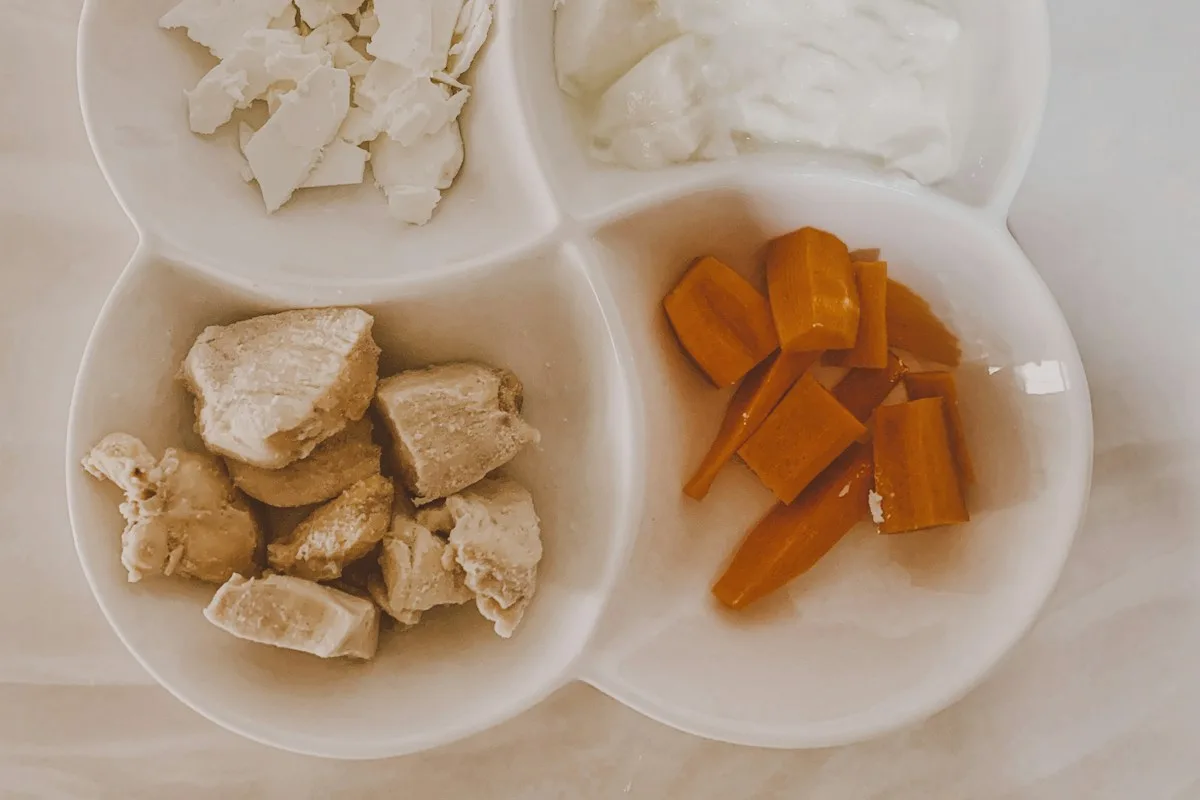
Easy toddler lunch ideas follow one simple formula: a small protein, a grain or starch, and a soft fruit or vegetable, served in separate small piles and cut into safe shapes. Shredded chicken, rice and soft-cooked carrots, or scrambled egg, a soft tortilla strip and ripe banana, are both complete toddler lunches. Quarter round foods such as grapes and cherry tomatoes, and avoid the choking hazards the CDC lists for young children.
Short answer
Fill three small sections: a protein (shredded chicken, egg, mashed beans, thin cheese slices), a starch (rice, small pasta, soft bread strips) and something fresh (ripe banana, soft pear, steamed carrots). Cut round foods lengthwise, skip whole nuts and hard raw vegetables, and let your toddler choose how much to eat.
The Formula Behind Toddler Lunch Ideas
Serving each food separately lets a toddler explore textures and choose what to eat, which tends to work better than one mixed dish. Aim for variety across the week rather than a perfect plate every day.
| Protein | Grain or starch | Fruit or vegetable |
|---|---|---|
| Shredded cooked chicken | Rice | Soft-cooked carrot sticks |
| Scrambled or hard-cooked egg, chopped | Small pasta shapes | Ripe banana slices |
| Mashed or smashed beans | Soft tortilla, cut into strips | Avocado pieces |
| Flaked cooked fish, bones removed | Soft bread or pita strips | Ripe pear, peeled and diced |
| Shredded or thinly sliced cheese | Couscous or quinoa | Steamed broccoli florets, cut small |
10 Easy Toddler Lunch Ideas
- Shredded chicken, rice and soft carrot sticks.
- Scrambled egg, a soft tortilla strip and ripe banana.
- Mashed black beans on a soft tortilla with diced avocado.
- Small pasta with butter and grated cheese, plus steamed peas, lightly mashed.
- Flaked salmon, couscous and diced soft pear.
- Mini pita strips with hummus and peeled cucumber cut into thin sticks.
- Leftover tuna pasta, cut small, with steamed zucchini.
- Plain yogurt with soft fruit and a soft bread strip.
- Thin cheese slices, soft whole-wheat bread and quartered blueberries.
- Mashed chickpeas with olive oil, rice and roasted sweet potato cubes.
Toddler Lunch Foods to Avoid or Change for Choking Safety
The CDC choking hazards list, based on USDA WIC guidance, names foods to avoid for young children. Many toddler lunch staples are fine once they are cut, cooked or mashed differently.
| Food | Risk | Safer way to serve |
|---|---|---|
| Grapes, cherry tomatoes, berries | Round and the size of a small airway | Cut into quarters lengthwise |
| Raw carrots, apples and other hard produce | Hard to chew | Steam until soft, or grate |
| Whole beans and corn kernels | Small and slippery | Mash or smash |
| Large chunks of cheese or meat | Hard to chew into small pieces | Shred, slice thinly or cut very small |
| Spoonfuls or chunks of nut butter | Sticky and hard to swallow | Spread a thin layer on bread |
| Nuts, seeds, popcorn, chips, hard candy | Hard or small | Avoid for young children |
Always have your toddler sit upright while eating and stay with them during meals.
Prep Toddler Lunch Ideas Ahead
Batch-cook a protein and a grain once or twice a week, and cut fruit and vegetables into toddler-safe shapes ahead of time; chopping is usually the slowest step. Our guide to meal prep at home covers the routine. Refrigerate cooked food within 2 hours and use cooked leftovers within 3 to 4 days, as FoodSafety.gov advises.
Packing Toddler Lunch Ideas for Daycare
Most toddler lunch ideas travel well, but anything perishable, such as chicken, eggs, yogurt, cut fruit or cooked rice and pasta, has to stay cold until lunchtime. The USDA FSIS bag-lunch guidance says perishable food should not sit at room temperature for more than 2 hours (1 hour above 90°F), because bacteria multiply quickly between 40°F and 140°F.
- Use an insulated, soft-sided lunch bag with at least two cold sources, such as two frozen gel packs or one gel pack plus a frozen water bottle, placed above and below the food.
- Cook and chill the food the night before in shallow containers, then pack the bag right before you leave.
- Pack only what your toddler will eat at one meal, and throw away perishable leftovers that come home.
- For warm lunches such as soup, preheat an insulated food jar with boiling water, empty it, then fill it with piping-hot food so it stays at 140°F or above. Let each spoonful cool before your toddler eats it.
- If daycare reheats food in a microwave, it should reach 165°F, then be stirred and checked for hot spots before serving.
Whole fruit, bread, crackers and hard cheese do not need a cold source, but still cut them into toddler-safe pieces, such as thin strips rather than cubes, just before serving.
Frequently Asked Questions
What are good easy toddler lunch ideas?
One small protein, one grain and one soft fruit or vegetable, such as shredded chicken, rice and steamed carrots, cut into safe shapes.
How should I cut food for a toddler?
Cut round foods such as grapes and cherry tomatoes into quarters lengthwise, slice or shred cheese and meat thinly, and cook hard vegetables until soft.
How much should a toddler eat at lunch?
Toddler portions are much smaller than adult portions, and appetite changes from day to day. Offer small amounts of each food and let your child decide how much to eat.
What if my toddler only wants one food?
This phase is common. Keep offering a small amount of other foods next to the preferred one, without pressure.
Which dinner leftovers make good toddler lunch ideas?
Yes. Shredded meat, rice and soft-cooked vegetables from dinner make a quick toddler lunch. Cut them to a safe size and use them within 3 to 4 days.
Sources
Featured photo: Unsplash