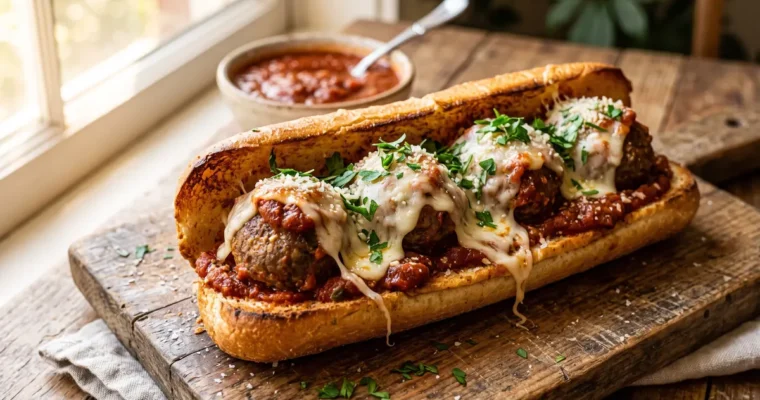
A good meatball sub recipe comes down to three things holding together at once: meatballs tender enough to bite through without the whole thing sliding out of the roll, a sauce clinging instead of pooling, and bread sturdy enough to survive both. Pan-searing the meatballs …
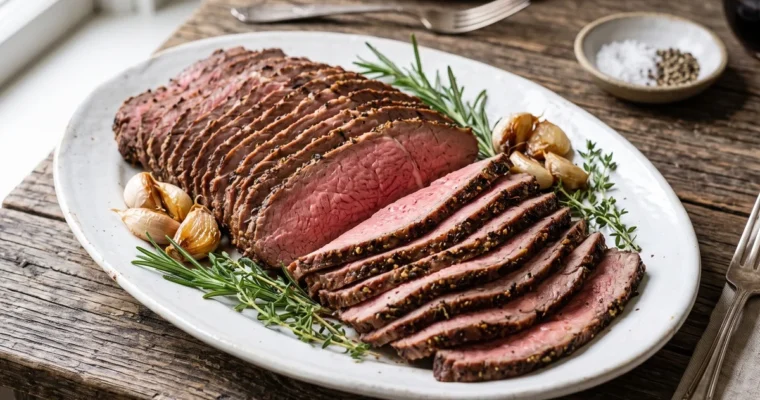
Roast beef nutrition facts change a lot depending on whether “roast beef” means a lean cut you roasted at home or the pre-sliced deli version from the lunch meat counter, and the two aren’t as similar as the shared name suggests. A home-roasted eye of …
This Greek lemon chicken soup, known as avgolemono, gets its rich, velvety body without a drop of cream. The trick is whisking eggs and lemon juice together, then slowly tempering them into hot broth so they thicken the soup instead of scrambling in it. The result is a bright, savory bowl that tastes far richer than the short ingredient list suggests.
Heat the olive oil in a large pot over medium heat. Add the onion, carrots, and celery, and cook for 5-6 minutes, stirring occasionally, until softened.
Pour in the chicken broth and bring to a simmer. Add the chicken breasts, cover, and simmer for 15-18 minutes, until the chicken reaches 165°F and shreds easily with a fork.
Lift the chicken out onto a plate and set aside to cool slightly. Stir the rice or orzo into the simmering broth and cook for 12-15 minutes, until tender.
While the rice cooks, shred the chicken into bite-sized pieces using two forks.
In a medium bowl, whisk the eggs until frothy, then whisk in the lemon juice.
Ladle about 1 cup of the hot broth into the egg mixture very slowly, whisking constantly the entire time, to bring the eggs up to temperature without scrambling them.
Reduce the heat under the pot to low. Slowly pour the tempered egg mixture back into the pot, stirring constantly.
Stir in the shredded chicken and cook for 2-3 minutes over low heat, stirring gently, until the soup thickens slightly and turns pale yellow. Do not let it boil.
Season with salt and pepper to taste. Ladle into bowls and top with fresh dill.
Why This Greek Lemon Chicken Soup (Avgolemono) Works
The whisked eggs and lemon juice work as a natural thickener when they’re tempered properly — slowly raising their temperature with small additions of hot broth before combining everything. This gentle approach keeps the proteins in the eggs from seizing up into curds, so instead of egg-drop-soup texture, you get a smooth, custard-like body that coats the spoon. Keeping the heat low once the eggs go in is just as important as the tempering step itself.
Tips for Silky Avgolemono
Room-temperature eggs whisk more evenly and temper more predictably than cold eggs straight from the fridge, so set them out for 15-20 minutes before starting. Add the hot broth to the eggs in a thin, slow stream while whisking constantly — pouring it in all at once is the single most common cause of curdling. If your rice or orzo will sit for a while before serving, cook it slightly under-done, since it keeps absorbing broth and can turn mushy in leftovers. Use a thermometer to confirm the chicken reaches 165°F, the USDA safe minimum internal temperature for poultry.
Common Mistakes to Avoid
Letting the soup boil after the eggs go in is the mistake that ruins this dish fastest — a hard boil will scramble the eggs into little flecks instead of a smooth thickener, no matter how carefully you tempered them. Skipping the tempering step entirely and dumping the raw egg mixture straight into the hot pot has the same result. Using bottled lemon juice instead of fresh also flattens the flavor — fresh juice has a brightness that bottled juice loses.
What to Serve With It
A loaf of crusty bread or warm pita is the natural pairing here, useful for soaking up the last bit of broth in the bowl. A simple green salad with a sharp vinaigrette balances the richness of the soup, and a side of naan or flatbread works well if you want something more filling alongside it. A square of sourdough discard focaccia also works well for dipping.
Storage
Refrigerate leftovers in an airtight container for up to 3 days. The soup will thicken further as it chills since the rice keeps absorbing liquid — thin it with a splash of broth when reheating. Reheat gently over low heat, stirring often, and avoid boiling to keep the egg-lemon base from separating. This soup doesn’t freeze well because the egg base can curdle and separate once thawed. That’s the one tradeoff of making Greek lemon chicken soup — it’s best enjoyed fresh, within a day or two.
Frequently Asked Questions
Can I use rice instead of orzo, or the other way around? Yes, they’re interchangeable in this recipe. Rice gives a slightly heartier, more traditional texture, while orzo cooks a bit faster and gives the soup a more pasta-soup feel.
Why did my soup curdle? Curdling almost always means the eggs got too hot too fast. Temper them slowly with small additions of hot broth, whisking the whole time, and keep the pot on low heat (never a boil) after the egg mixture goes back in.
Can I make this with rotisserie chicken? Yes. Skip simmering raw chicken in the broth and instead add about 3 cups of shredded rotisserie chicken after the rice or orzo is done cooking, then proceed with the egg-lemon step.
Is this soup gluten-free? It is if you use rice instead of orzo, since orzo is a wheat pasta. Double-check your chicken broth’s label too, as some brands add wheat-based thickeners.
Written by
Junaid Khan
Runs RecipeFab, a site focused on straightforward, real-life recipes with clear instructions and honest ingredient lists.
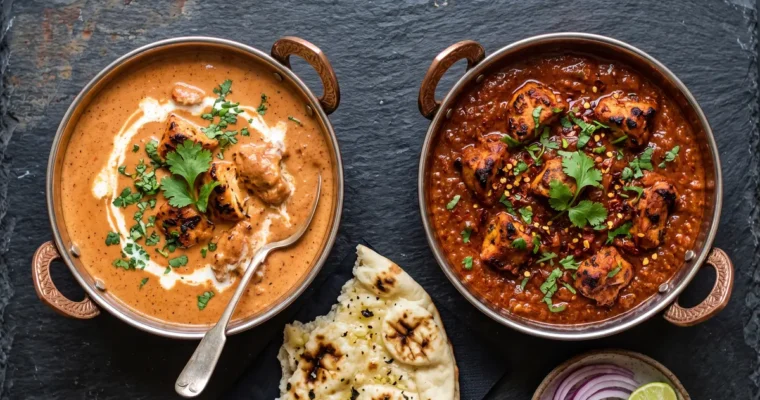
On a takeout menu, butter chicken vs tikka masala can look like two names for the same orange-red curry — both feature grilled chicken in a creamy tomato sauce, both show up next to the naan, and both get ordered by people who “don’t like …
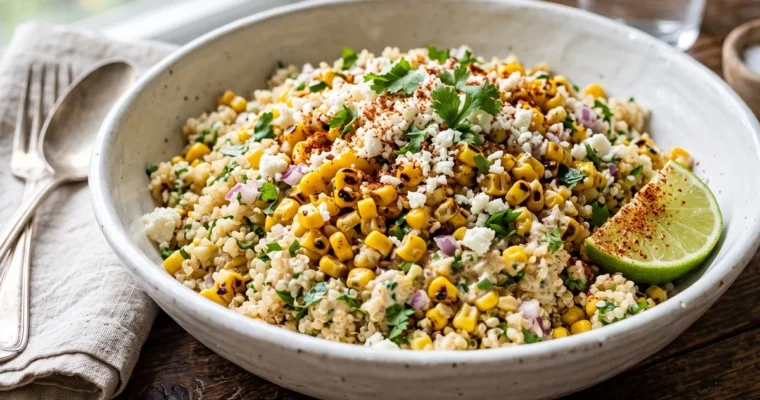
An elote quinoa salad recipe takes the char, lime, and cotija from Mexican street corn (elote) and builds it around quinoa instead of a cob, so it turns into an actual meal-prep salad rather than a side dish eaten standing up. The corn still gets …
How Long Is Hamburger Meat Good for in the Fridge?
Raw ground beef (hamburger meat) stays safe in the refrigerator for 1-2 days, while cooked ground beef keeps for 3-4 days. Ground beef has more surface area than a whole cut of meat, since the grinding process exposes more of it to air and bacteria, which is exactly why it spoils faster than a steak or roast stored the same way.
Raw vs. Cooked Storage Times
Raw ground beef should be used or frozen within 1-2 days of purchase, according to USDA food safety guidelines, and that window starts from the purchase or packaging date, not from when it’s opened. Once cooked, hamburger meat (in patties, taco filling, or a pan of browned beef) extends to 3-4 days in the refrigerator, since cooking kills most of the bacteria that were present on the raw meat. Both timelines assume the refrigerator is kept at or below 40°F (4°C), which is the temperature the USDA considers the safe upper limit for perishable food storage. Refrigerate leftovers within 2 hours of cooking, as the USDA leftovers guidance recommends.
Signs Your Ground Beef Has Gone Bad
A sour or ammonia-like smell is the clearest sign ground beef has spoiled and should not be tasted to confirm — trust your nose and discard it. Fresh ground beef is bright red on the outside with a slightly duller red or brown center (from lack of oxygen exposure inside the package), while spoiled beef often turns gray or brown all the way through and can develop a slimy, sticky texture on the surface. A best-by or sell-by date on the package is a helpful guideline but isn’t the same as a strict expiration — beef can spoil before that date if it wasn’t kept cold enough, or still be fine a day past it if it’s been properly refrigerated the whole time. Trusting your senses matters just as much as knowing how long is hamburger meat good for in the fridge on paper.
Storing Ground Beef Properly
Keep raw ground beef in its original packaging or a sealed container on the coldest shelf of the refrigerator, ideally the bottom shelf, so any leaking juices can’t drip onto other foods. If you won’t use it within 1-2 days, freezing is the better option — raw ground beef keeps well in the freezer for 3-4 months in an airtight, freezer-safe bag with the air pressed out. Cooked ground beef should be cooled to room temperature within about 2 hours of cooking before refrigerating, since leaving it out longer gives bacteria more time to grow. Getting the storage right is half of how long is hamburger meat good for in the fridge — the other half is how it was handled before it got there.
Freezing Ground Beef for Longer Storage
When 1-2 days in the fridge isn’t going to cut it, the freezer is the better call. Raw ground beef keeps its quality for about 3-4 months in the freezer when it’s wrapped tightly enough to keep air out — a double layer of plastic wrap plus a freezer bag, with as much air pressed out as possible, works well. Flattening the meat into a thin, even layer before freezing also means it thaws faster and more evenly later. Thaw frozen ground beef in the refrigerator rather than on the counter; a pound usually takes about a day. If a faster thaw is needed, sealed ground beef can go under cold running water or into the microwave’s defrost setting, but either way it should be cooked immediately afterward rather than refrozen raw.
Frequently Asked Questions
How long is hamburger meat good for in the fridge? Raw ground beef stays safe for 1-2 days in the fridge, and cooked hamburger meat for 3-4 days — always trust smell and texture over the calendar alone.
Can I freeze ground beef past the 1-2 day fridge window? Yes, freezing raw ground beef before the 1-2 day window closes is a good way to extend its life significantly, up to 3-4 months in the freezer. Once thawed, treat it the same as fresh ground beef and use it within 1-2 days.
Is it safe to eat ground beef on the exact sell-by date? Generally yes, as long as it’s been refrigerated properly the entire time and shows no signs of spoilage like odor or sliminess. The sell-by date is a guideline for retailers rather than a hard safety cutoff.
Does ground turkey or chicken follow the same fridge timeline? Yes, ground poultry follows essentially the same guidelines as ground beef — 1-2 days raw in the fridge, 3-4 days once cooked — since it has similar surface-area exposure to bacteria.
Can I refreeze ground beef after thawing it in the fridge? Yes, if it was thawed in the refrigerator (not on the counter) and hasn’t sat out too long, it’s safe to refreeze, though the texture may be slightly different after a second freeze-thaw cycle.
Written by
Junaid Khan
Runs RecipeFab, a site focused on straightforward, real-life recipes with clear instructions and honest ingredient lists.
How to Chop Garlic the Easy Way Chopping garlic well is less about knife skill and more about a few small habits: peeling it quickly, keeping the clove stable while cutting, and matching the size of the chop to what you’re actually cooking. Once those …
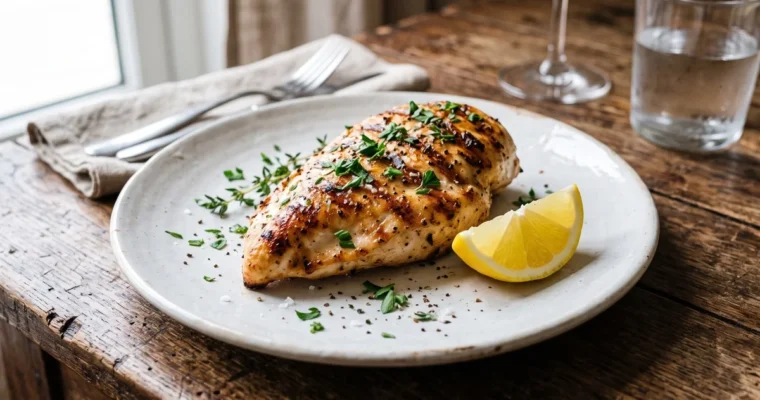
Calories in boneless skinless chicken breast change more than most people expect once you account for raw versus cooked weight, since chicken loses water as it cooks and the same piece of meat gets more calorie-dense per ounce even though the total calories in the …
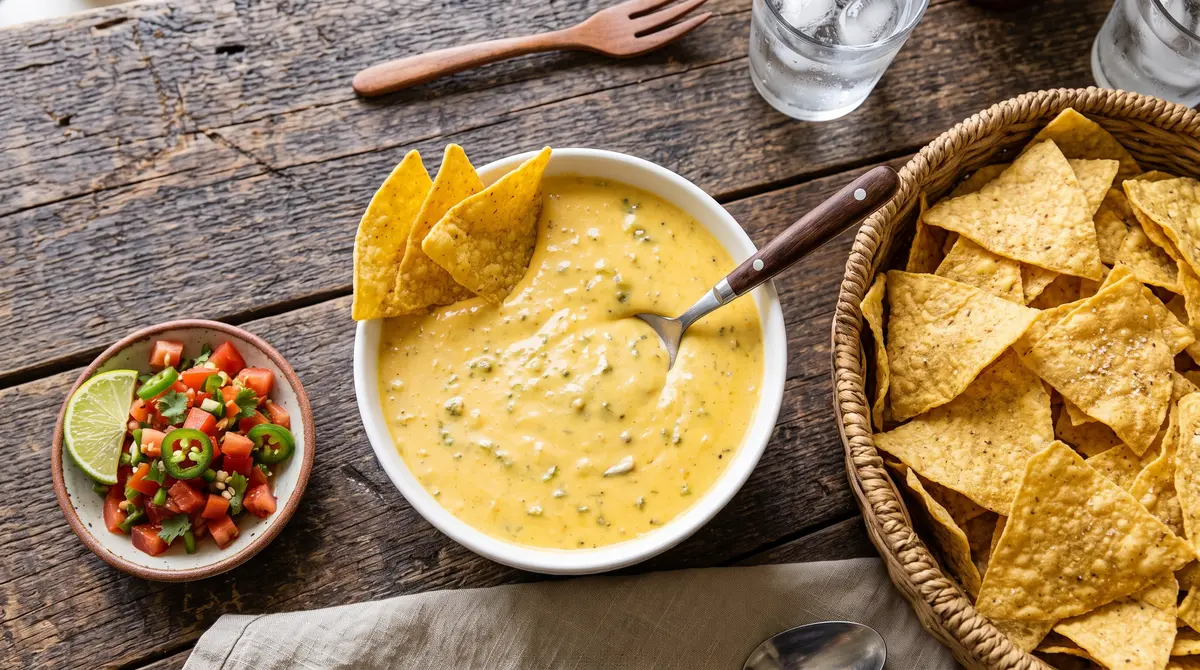
Chips and queso calories are one of those numbers people avoid checking on purpose, and it’s easy to see why: a standard restaurant serving of tortilla chips with melted cheese dip can run 500-800 calories before you’ve finished the basket, mostly because chips and cheese are both calorie-dense on their own before you ever combine them. Knowing where those calories actually come from makes it a lot easier to enjoy the snack without guessing at the damage.
The Numbers, Roughly
A typical restaurant portion of tortilla chips (about 1 ounce, roughly 8-10 chips) runs around 140-150 calories on its own. A standard 2-ounce serving of queso dip adds another 180-220 calories, mostly from the cheese and any added cream or milk in the recipe. Put together, a modest chips-and-queso serving lands around 320-370 calories — but restaurant portions are rarely modest, and a shared bowl with refills easily pushes the real total toward 600-800 calories once you account for how much of the dip actually gets scooped up per chip. Chips and queso calories add up fastest in exactly that gap between the modest portion and the real one.
What Drives the Calorie Count
Chips and queso calories break down into two separate sources. Queso’s calories come almost entirely from fat: cheese is roughly 70-100 calories per ounce depending on the type, and a queso recipe built on processed cheese product with added cream pushes that even higher per serving than a queso made from real shredded cheese and milk. Chips add calories mainly from the corn and the frying oil — baked tortilla chips typically run 20-30% fewer calories than fried ones for the same serving size, which is the single easiest swap if you’re watching the total.
How to Lighten Chips and Queso Without Losing the Appeal
Swapping fried chips for baked ones cuts a meaningful chunk of calories without changing the flavor much, since the seasoning and corn flavor carry the chip either way. Making queso at home with reduced-fat cheese, a splash of milk instead of heavy cream, and a diced tomato or two stretches the dip further while cutting calories per serving. Portioning the queso into a small bowl per person instead of one shared vat also helps naturally — it’s easy to underestimate how many chips you’ve dipped when the bowl never empties.
Nutritional Trade-Offs Worth Knowing
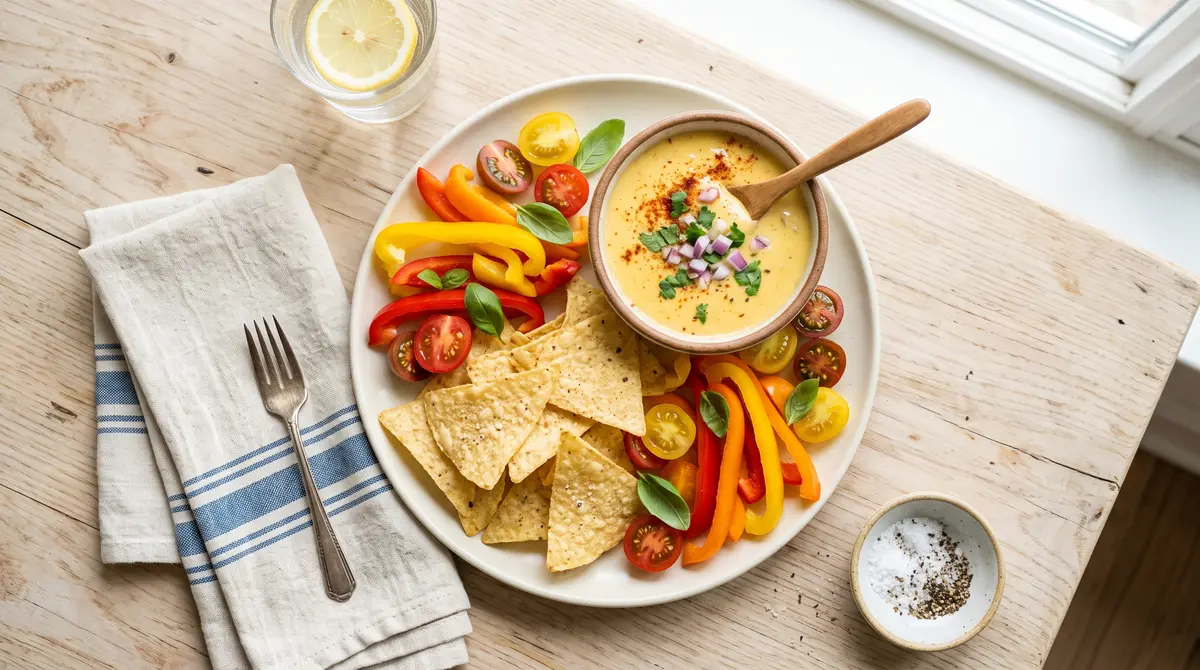
Queso does bring some real nutrition along with the calories — cheese is a solid source of protein and calcium, which plain chips alone don’t offer. The bigger concern for most people is sodium: a restaurant serving of chips and queso can carry 700-1,200 milligrams of sodium between the salted chips and the cheese, which is a significant share of a day’s recommended intake in one snack. Pairing the dip with fresh vegetables like bell pepper strips alongside the chips is a simple way to add volume and nutrients without pushing chips and queso calories any higher.
How It Compares to Other Chip-and-Dip Snacks
Against guacamole, chips and queso generally comes out higher in calories and saturated fat but lower in fiber and heart-healthy fat, since guacamole’s calories come mostly from avocado rather than cheese and cream. Salsa is the lightest common option by a wide margin — a 2-ounce serving runs only 15-20 calories, since it’s mostly tomato, onion, and pepper with little to no added fat. Ranch dip lands somewhere between queso and guacamole in calories, but often carries more sodium than either. None of this means queso is off-limits — it just means chips and queso calories matter more to watch than they would with a vegetable-based dip.
A Realistic Way to Fit It Into a Day of Eating
Treating chips and queso as a shared appetizer rather than a full snack for one person keeps the numbers reasonable — splitting a standard restaurant order three or four ways lands each person closer to 150-200 calories, which is comparable to most other bar-food starters. If it’s the main snack rather than a shared plate, pairing a smaller portion with something lower in calories, like a side salad or extra vegetables for dipping alongside the chips, helps balance the plate without cutting the queso out entirely. Ordering queso on the side rather than pre-mixed into a dish also gives more control over the portion, since it’s easy to spoon out a reasonable amount instead of eating straight from a bottomless bowl.
Frequently Asked Questions
How many chips and queso calories are in a typical restaurant serving? A typical shared restaurant serving runs 500-800 calories total, depending on the chip type, how the queso is made, and how much gets eaten from a refillable basket.
Is queso healthier than other dips? It’s roughly comparable to other cheese-based dips — higher in protein and calcium than something like guacamole, but generally higher in saturated fat and sodium too.
Are baked chips actually lower in calories than fried? Yes, typically by about 20-30% for the same serving size, since baked chips are made with little to no added oil compared to frying.
Does the type of tortilla chip change the calorie count much? Yes, somewhat — thicker, restaurant-style chips generally carry a few more calories per chip than thin, lightly salted ones, simply because they’re denser and often fried a bit longer.
Is white queso lower in calories than yellow queso? Not meaningfully — the color comes from the type of cheese and peppers used, not a difference in fat content, so calories between the two styles are typically comparable.
Does adding meat to queso change the calorie count a lot? Yes, noticeably — stirring in seasoned ground beef or beef chorizo can add another 100-150 calories per serving, so a meat-topped queso should be treated as closer to a light meal than a snack.
Is homemade queso lower in calories than restaurant queso? It can be, mainly because you control the cheese-to-milk ratio and can skip the extra butter or cream some restaurants add for a glossier texture — using real shredded cheese and milk instead of a processed cheese product also usually cuts calories.
Written by
Junaid Khan
Runs RecipeFab, a site focused on straightforward, real-life recipes with clear instructions and honest ingredient lists.
A breakfast skillet recipe earns its place as a weekend staple because it turns a full diner-style plate into one pan and one pass through the kitchen. Potatoes go in first to get properly crisp while they have the pan to themselves, then peppers, onion, …