Fiber-Maxxing: What It Means and Why It’s Trending
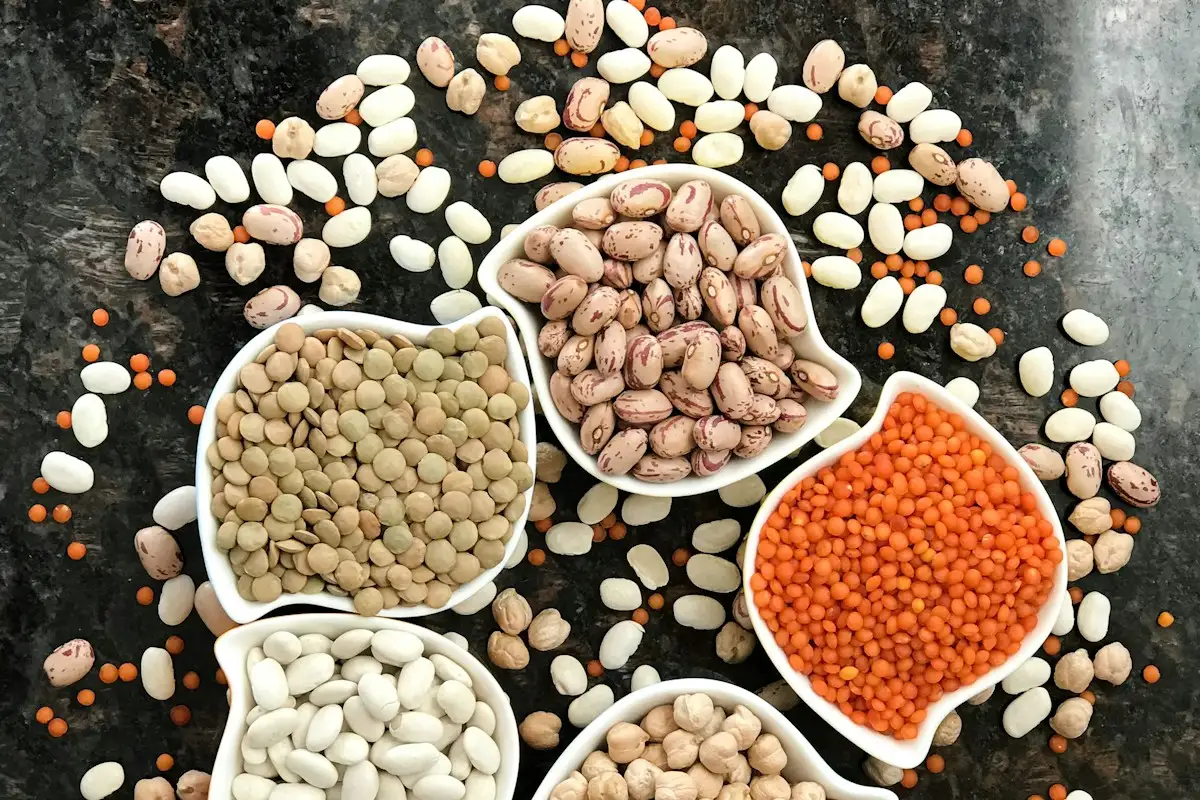
Fiber-maxxing means deliberately building your meals around high-fiber whole foods such as beans, lentils, whole grains, fruit, vegetables, nuts and seeds so you reach the recommended daily fiber intake. The Dietary Guidelines for Americans set that at about 14 grams per 1,000 calories, roughly 22 to 34 grams a day for adults, yet more than 90% of women and 97% of men fall short. Unlike most viral food trends, fiber-maxxing does not require a product; it is mainly a push to eat more plants.
Quick answer
Fiber-maxxing = eating more fiber from whole foods. Targets: about 22 to 28 g a day for women and 28 to 34 g for men, depending on age (14 g per 1,000 calories). The richest everyday sources are lentils (16 g per cooked cup), black beans (15 g) and chia seeds (10 g per ounce). Increase slowly over a week or two and drink more water to avoid bloating.
What Fiber-Maxxing Means
Fiber-maxxing is not a diet with strict rules. It is a habit of treating fiber as the nutrient you build a plate around, the way protein-focused eating treats protein. In practice that means choosing whole grains over refined ones, keeping the skin on fruit and vegetables where you can, and adding beans or lentils to meals that would not usually have them. The name comes from social media, but the advice behind it matches long-standing dietary guidance.
Why Fiber Matters
- Soluble fiber (oats, beans, apples) forms a gel that slows digestion, which helps steady blood sugar and can lower LDL cholesterol, as Harvard Health explains.
- Insoluble fiber (whole grains, nuts, vegetable skins) adds bulk and helps keep digestion regular.
- Both feed gut bacteria, which ferment some fibers into compounds that support the lining of the gut.
- Fiber is filling. High-fiber foods take longer to eat and digest, which helps with appetite control.
How Much Fiber You Need
The Dietary Guidelines for Americans recommend about 14 grams of fiber for every 1,000 calories. Based on typical calorie needs, that works out to roughly:
| Age | Women | Men |
|---|---|---|
| 19 to 30 | 28 g | 34 g |
| 31 to 50 | 25 g | 31 g |
| 51 and older | 22 g | 28 g |
On a Nutrition Facts label, fiber is shown as a percent of the 28 g Daily Value, so a food with 20% DV or more is a high-fiber choice.
Fiber-Maxxing Foods: The Best Sources
| Food | Serving | Fiber |
|---|---|---|
| Lentils, cooked | 1 cup (198 g) | 15.6 g |
| Black beans, cooked | 1 cup (172 g) | 15.0 g |
| Chia seeds | 1 oz (28 g) | 9.8 g |
| Avocado (California) | 1 fruit (136 g) | 9.2 g |
| Raspberries | 1 cup (123 g) | 8.0 g |
| Broccoli, cooked | 1 cup chopped (156 g) | 5.1 g |
| Whole-wheat spaghetti, cooked | 1 cup (117 g) | 4.6 g |
| Apple with skin | 1 medium (182 g) | 4.4 g |
| Oatmeal, cooked | 1 cup (234 g) | 4.0 g |
| Almonds | 1 oz, about 23 nuts (28 g) | 3.5 g |
Legumes and seeds carry the most fiber per serving by a wide margin. A cup of lentils has about twice the fiber of a cup of raspberries and nearly four times that of a cup of oatmeal, which is why most fiber-maxxing advice leans on beans and lentils.
A Sample High-Fiber Day
| Meal | Foods | Fiber |
|---|---|---|
| Breakfast | 1 cup cooked oatmeal topped with 1 cup raspberries | 12.0 g |
| Lunch | ½ cup cooked lentils in a salad or soup | 7.8 g |
| Snack | 1 medium apple and 1 oz almonds | 7.9 g |
| Dinner | 1 cup whole-wheat spaghetti with 1 cup cooked broccoli | 9.7 g |
| Total | About 37 g |
If you eat about 15 g of fiber a day now, do not jump straight to a day like this. Add one higher-fiber food every few days. For a ready-made bean option, try our Mediterranean chickpea bowl.
Common Fiber-Maxxing Mistakes
- Increasing too fast. Going from 15 g to 40 g overnight often causes gas, bloating and cramps. Build up over one to two weeks.
- Not drinking enough fluid. Fiber holds water; more fiber without more fluid can make constipation worse.
- Relying on supplements. A fiber powder can help, but whole foods also bring vitamins, minerals and a mix of fiber types.
- Getting fiber only from fruit. Fruit helps, but beans and lentils deliver far more fiber per serving, plus protein.
- Peeling everything. Much of the fiber in apples, potatoes and cucumbers is in or just under the skin.
Low-calorie vegetables add a little fiber too; see whether celery is good for you.
Fiber-Maxxing FAQ
What is fiber-maxxing?
It is the practice of building meals around high-fiber whole foods, such as legumes, whole grains, fruit with the skin on, vegetables, nuts and seeds, to reach the recommended daily fiber intake.
How much fiber should I eat per day?
About 14 g per 1,000 calories: roughly 22 to 28 g for adult women and 28 to 34 g for adult men, depending on age. The food label Daily Value is 28 g.
Can you eat too much fiber?
Increasing fiber too quickly commonly causes bloating, gas and cramps. Raising it gradually and drinking more water usually prevents this. People with digestive conditions should ask their doctor before making big changes.
What foods have the most fiber?
Lentils and black beans have about 15 to 16 g per cooked cup, and chia seeds about 10 g per ounce, compared with about 4 to 8 g for a serving of most fruit, vegetables and whole grains.
Is fiber-maxxing the same as protein-maxxing?
No. They are separate trends, but beans and lentils support both because they are high in fiber and protein.
Do fiber supplements work as well as food?
They can help fill a gap, but whole foods are the better main source because they provide a range of fibers along with vitamins and minerals.
Sources
- Dietary Guidelines for Americans, 2020 to 2025
- USDA FoodData Central (SR Legacy)
- FDA: Daily Value on the Nutrition Facts label
- Harvard Health: Fiber and heart health
Featured photo: Unsplash